

About PT. Karimun Sembawang Shipyard
PT. Karimun Sembawang Shipyard, a wholly-owned subsidiary of Sembcorp Marine, operates as a supporting yard in Karimun Island, Indonesia – driving the group’s strategic plan of offshore engineering solutions that encompass ship repair and conversion, fabrication and piping as well as desludging and de-sloping services.
Over the years, PT. Karimun Sembawang Shipyard has attracted projects from local and international clients for their quality work and quick turnaround time – which complements Sembcorp Marine’s shipyards on mainland Singapore.
Offering Solution to Pain Point
For operations to progress and a reputation to uphold, it is only right that the most reliable Denyo power generators are used to keep the operations running – because none of this will matter if there is no power to sustain the equipment and facilities.
In general, shipyard has many kinds of operation and may differs from day to day; hence, the loading profile is seemingly unpredictable for a one-size-fits-all that could potentially lead to low-loading or overloading of the generators. Identifying their pain points, Denyo recommended its SmartSync system, the most advanced synchronising system available in the market. This system is designed to automatically configure additional generators into synchronisation depending on the load require at that specific moment; due to its load-dependent start/stop functionality.
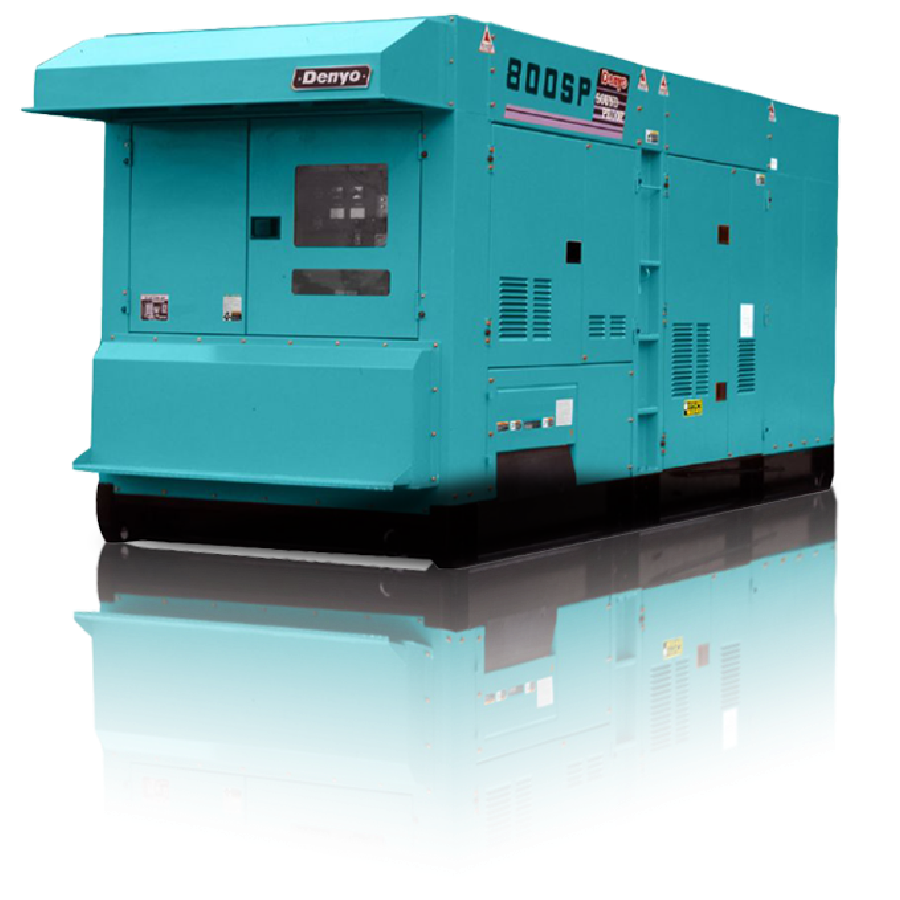
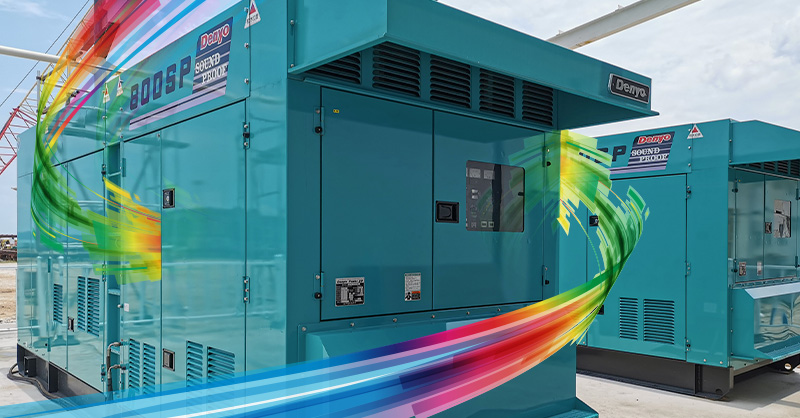
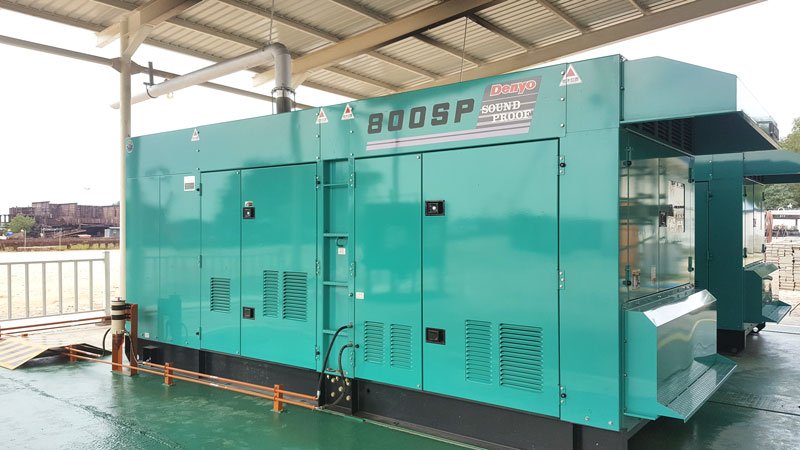
With the subsequent evaluations on PT. Karimun Sembawang Shipyard’s workflow requirements, two sets of Denyo DCA-800SPK integrated with SmartSync system were supplied for installation, and benefits were felt immediately. As a result, their concerns were resolved. The entire process entails minimal man-powers and also providing optimal fuel efficiency that leads to reduced operating expenditure.
Unforeseen Situation Arise
It was an evening on 16th October 2019, Denyo received an emergency call from the on-site project team in PT. Karimun Sembawang Shipyard – requesting for technical assistance. Understood that the generators have failed to synchronise and the entire operational loads are currently carried by a single DCA-800SPK, at maximum capacity. Aforementioned can potentially lead to undesirable overloading on the single generator – tripping and putting operations into a complete halt. However, the cause could not be identified through calls and knowing the impact and consequences – it must be handled promptly at all cost.